At Mehrotra Endosurgery & Apex Hospital, Dr. Leena Mehrotra combines robotic precision with two decades of fertility expertise to help you build the family you've always imagined.
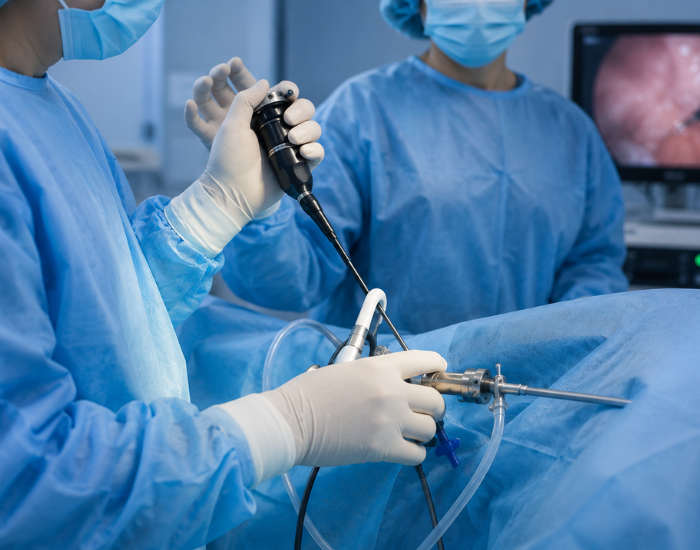
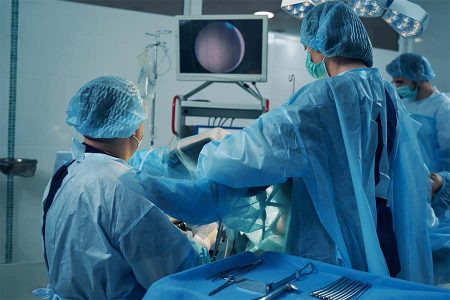
Hysteroscopy is a minimally invasive gynecological procedure that allows your doctor to examine the inside of the uterus using a thin, lighted instrument called a hysteroscope. It is used to diagnose and treat various uterine conditions without the need for major surgery.
This procedure helps identify and manage issues such as abnormal uterine bleeding, uterine polyps, fibroids, adhesions (scar tissue), uterine septum, and retained tissue. Hysteroscopy offers precise diagnosis and treatment with minimal discomfort, faster recovery, and improved reproductive health.
A carefully monitored fertility treatment guided personally by Dr. Leena Mehrotra.
The gynecologist reviews your medical history, symptoms, and diagnostic reports to determine whether hysteroscopy is the right procedure for diagnosing or treating your uterine condition.
The patient is prepared for the procedure. This may include fasting (if anesthesia is planned), obtaining informed consent, and administering anesthesia or sedation as required.
A thin hysteroscope is gently inserted through the vagina and cervix into the uterus. Sterile saline is used to expand the uterine cavity for clear visualization.
The uterine cavity is carefully examined for abnormalities such as polyps, fibroids, adhesions, septa, or other endometrial conditions affecting uterine health.
If abnormalities are detected, operative hysteroscopy may be performed to remove polyps, fibroids, adhesions, or obtain an endometrial biopsy during the same procedure.
The hysteroscope is removed, and the patient is monitored briefly before discharge. Follow-up includes discussing findings, biopsy results (if taken), and further treatment recommendations.
Dr. Leena Mehrotra combines robotic surgery, laparoscopic expertise, and the latest reproductive technologies to maximize your chances of a successful pregnancy.
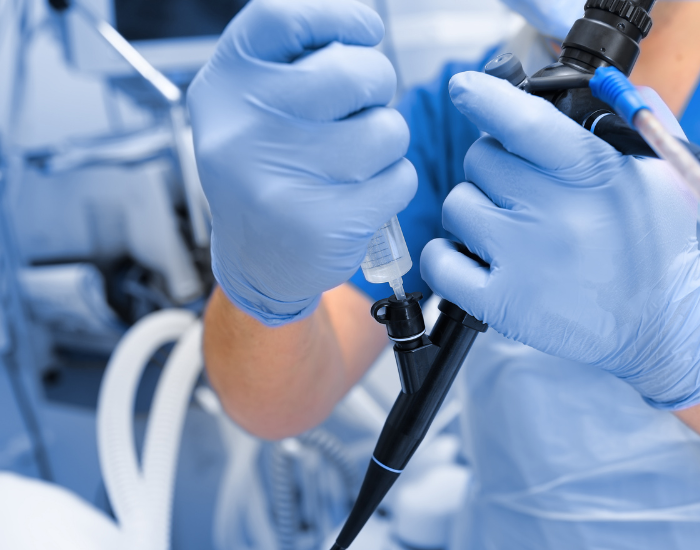
Over two decades of advanced fertility and robotic surgical expertise, trusted by thousands of families.
State-of-the-art robotic and minimally invasive surgical technologies for better, faster recovery.
Personalized emotional and medical support at every step of your parenthood journey.
Consult Dr. Leena Mehrotra today for advanced Hysteroscopy treatment and compassionate fertility care tailored to you.